Take the Color Palette Quiz!
Sep 06, 2026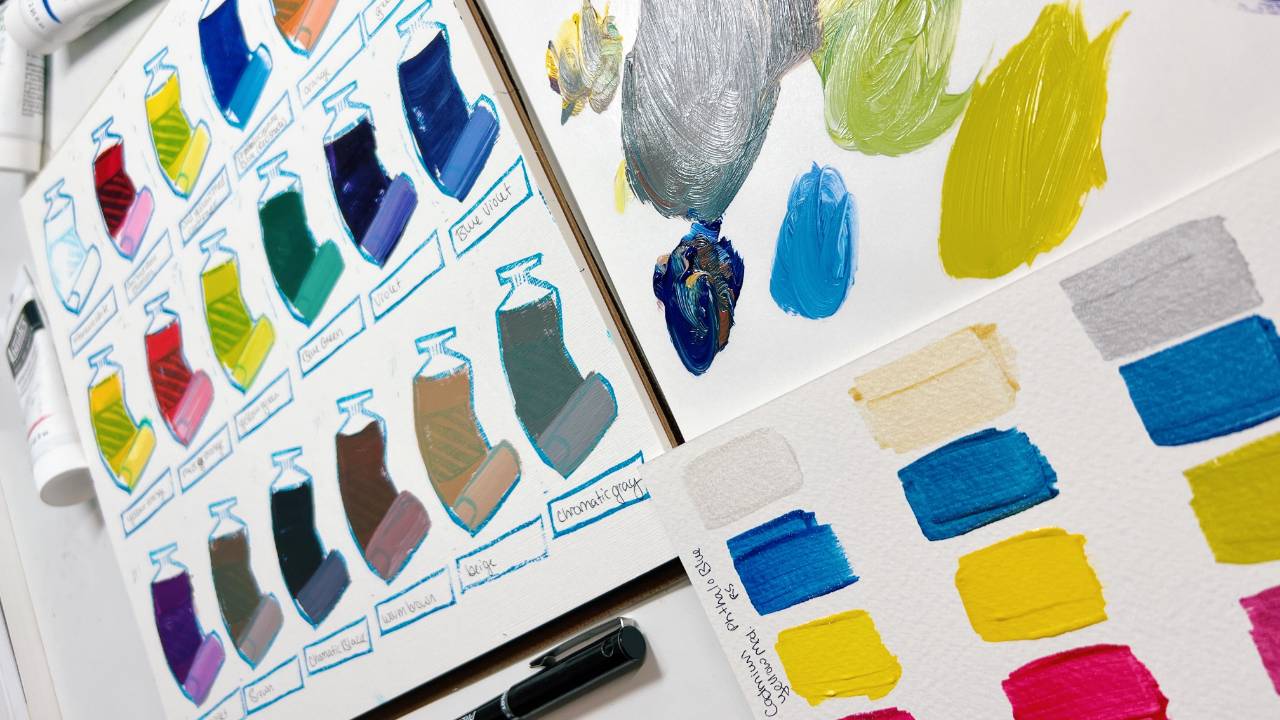
To know me as an artist is to know that I adore a limited palette.
The difference between buying many tubes of paint only to have them sit unused in a paint graveyard versus buying new tubes of paint and actually getting the most out of them — finding new moods and tones, and heck, maybe even your own signature color palette — is an understanding of how limited palettes work.
As counterintuitive as this may seem, by limiting your color palette, learning the nuances of a very limited, hand-selected group of colors, and then scaling up thoughtfully and slowly, you can develop the skill that allows professional painters to build worlds and have mastery over their color choices.
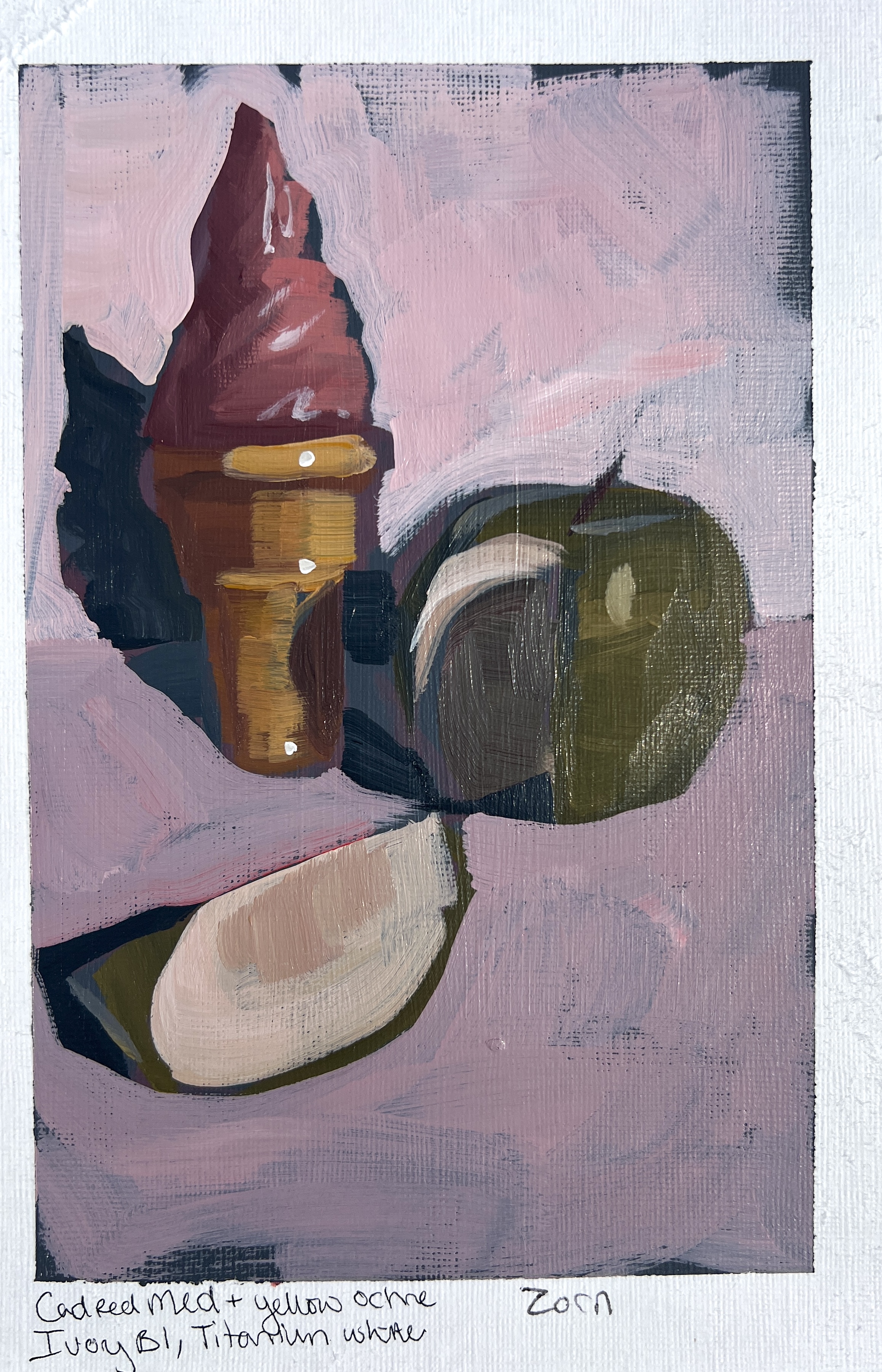 Example of a Zorn limited color palette study: Cad Red Medium, Yellow Ochre, Ivory Black, and Titanium White
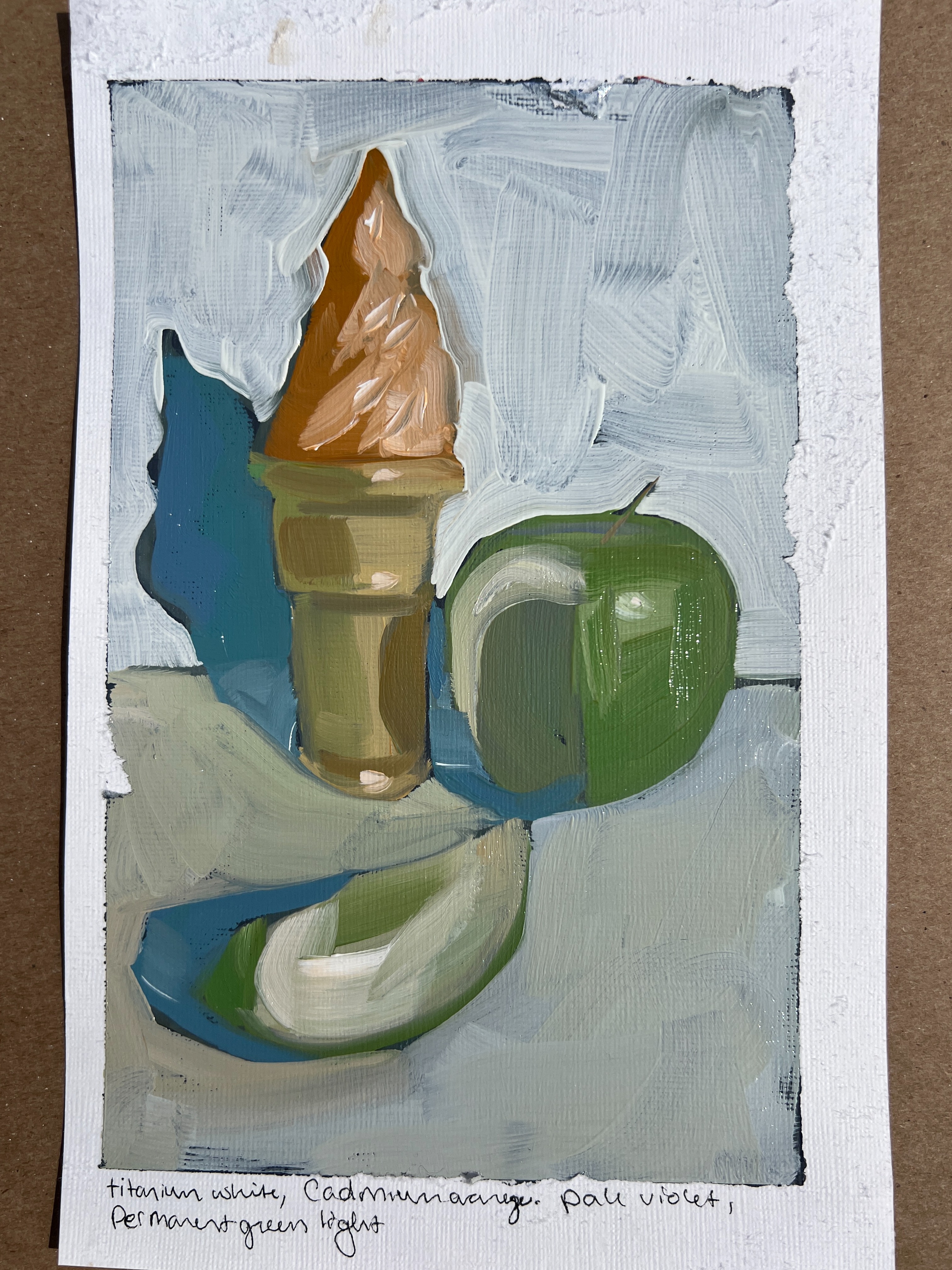 Limited color palette study: Titanium White, Cad Orange, Pale Violet, Permanent Green Light
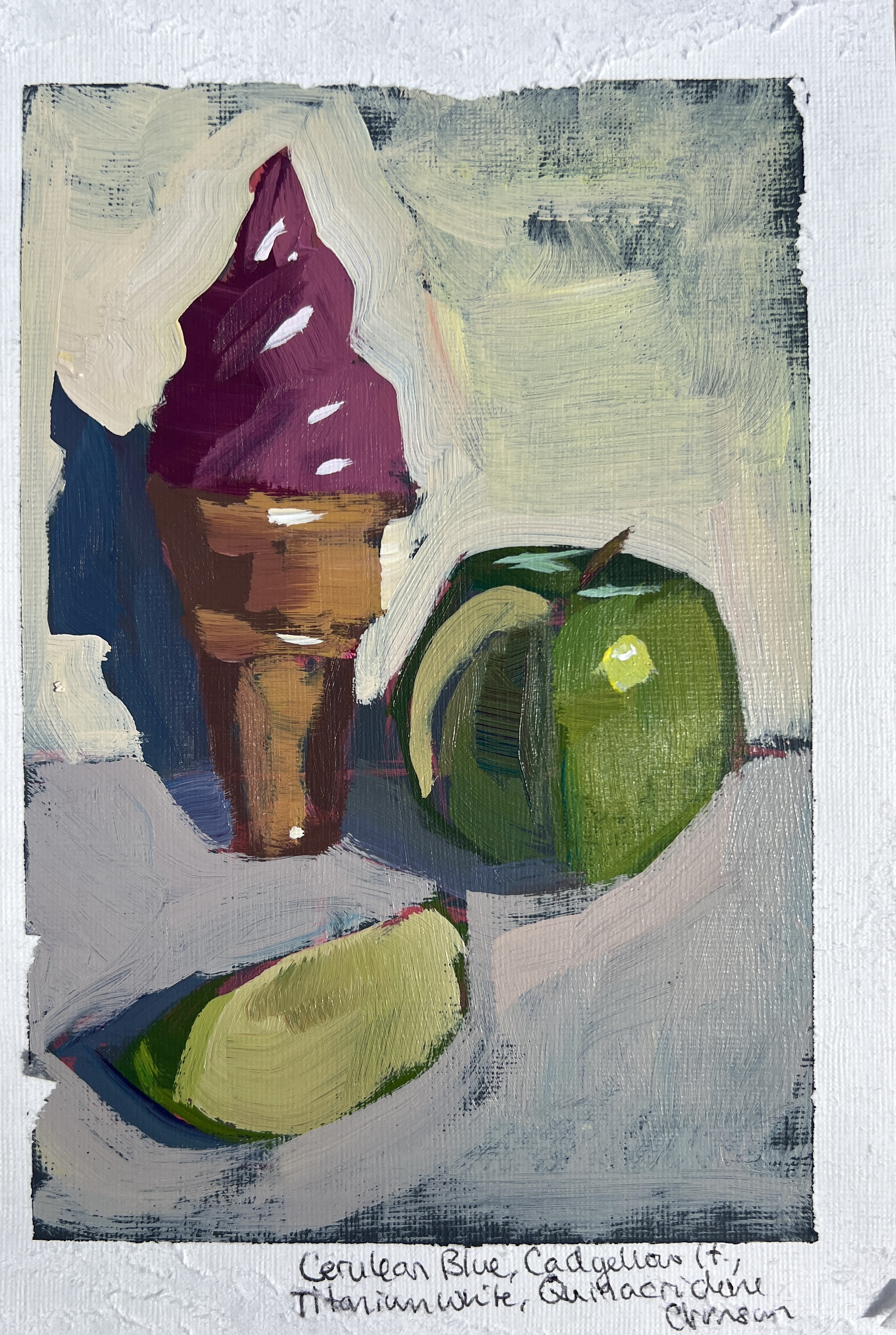 Limited color palette study: Cerulean Blue, Cad Yellow Light, Titanium White, Quinacridone Crimson
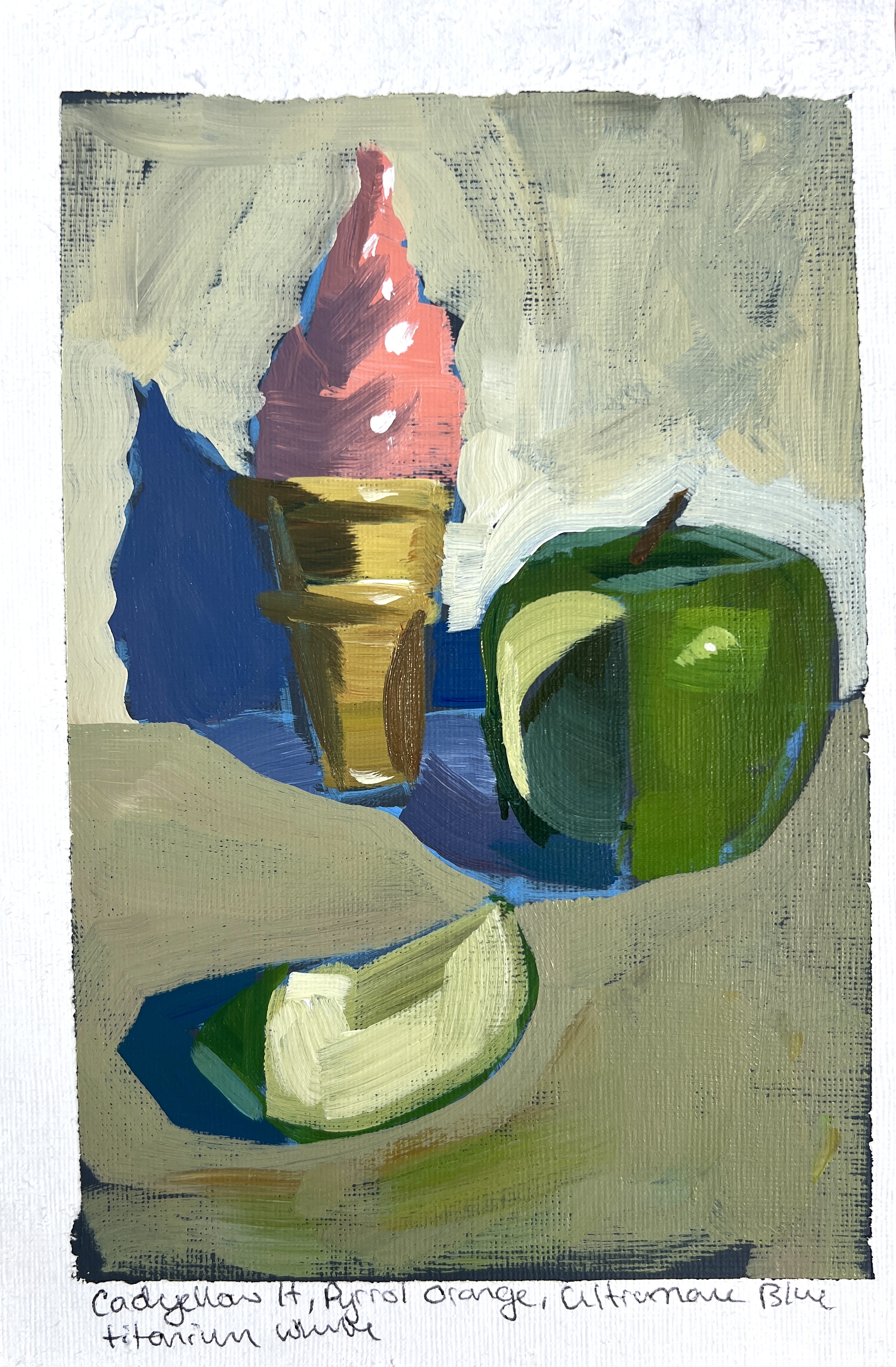 Limited color palette study: Cad Yellow Light, Pyrrole Orange, Ultramarine Blue, Titanium White
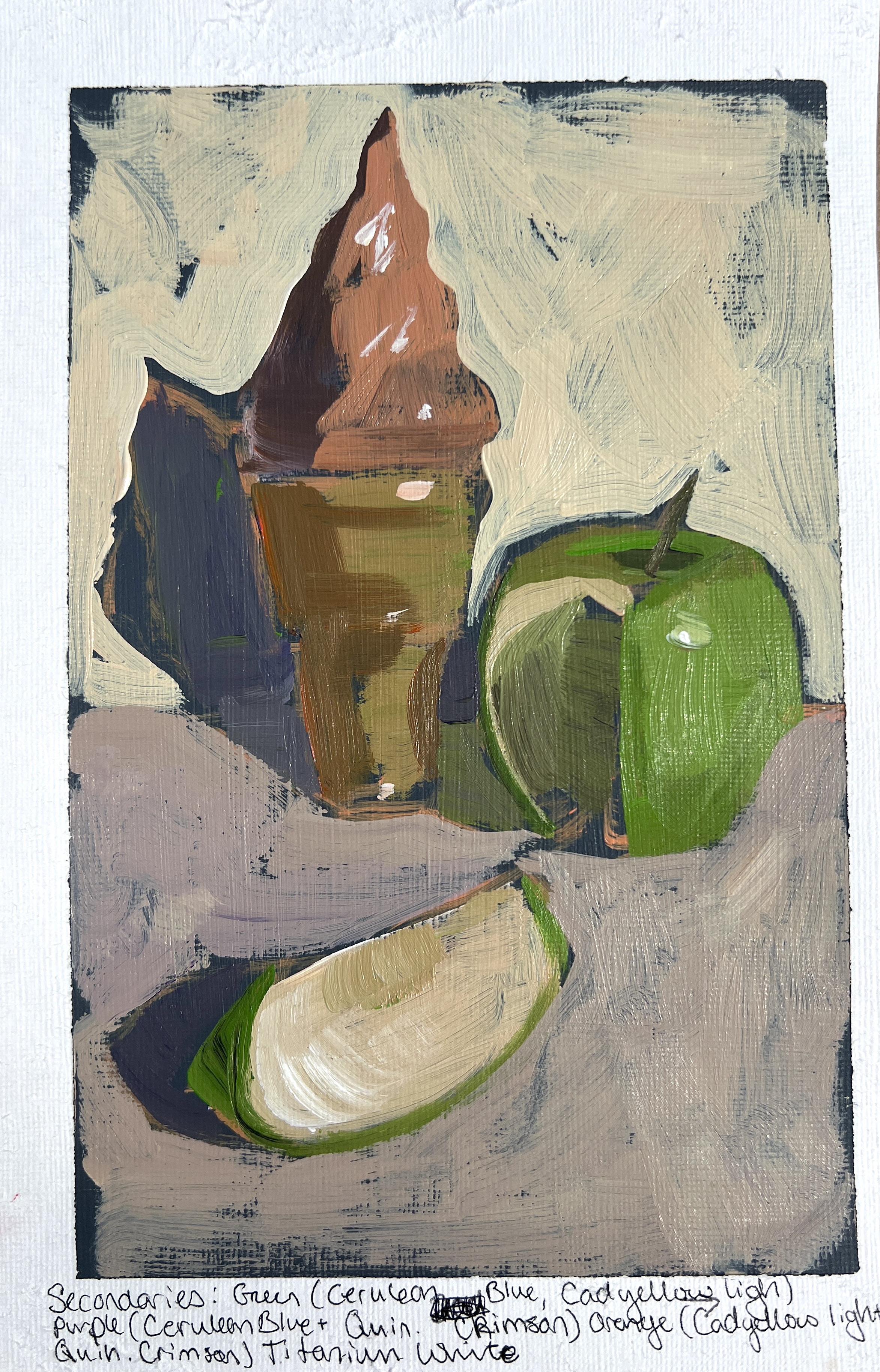 Secondaries Limited color palette study
Perhaps it's my inner minimalist, or the fact that I spent many of my early years as a professional artist scraping by on a budget, but I love the fact that one thing that can help you in your practice is to actually streamline and pare down in order to make you better at the skill. Whether you're limiting your palette to just primaries, or perhaps a split primary, primary and secondaries, earthy tones, art historical tones (colors that would have been commonly used and available during a certain period of time), or colors preferred by a famous painter from art history, there's so much you can do and express by choosing what not to add.
I find it best to explain this by laying out the benefits of a limited color palette.
First, let's think of filters.
I remember back in the early 2010s, filter apps were all the rage, and I fell in love with VSCO. Some filters will take all of the reds and oranges and round them into a couple of colors, or compress the values, simplifying and compressing color in the name of a homogeneous theme. Something can actually look more satisfying by fighting the intuition to add more and more color. I think of this as a slightly more evolved version of the preschooler who wants to make a magic rainbow color by mixing together all of the crayons or Play-Doh, only to discover that at best, you end up with a muddy brown. So the name of the game with limited color palettes is: by having fewer options, you can do more.
 ©Jessica Zollman/Creative Commons via The Atlantic
Second, by getting rid of pre-mixed grays, blacks, browns, and khakis in favor of mixing your own, you strengthen your understanding of how colors relate to each other.
If you've ever seen the videos on social media where someone takes an apple, or a paint swatch, or a piece of fabric, and mixes the color exactly, that person has developed the intuition to know how to get to any color, and how to nudge color in different directions.
It's a more advanced version of being able to look at an object, see that it's green, and know that yellow and blue probably got you there. The difference is, instead of simply understanding that red and yellow make orange, it’s knowing that yellow ochre, quinacridone magenta, a tiny bit of phthalo blue (green shade), and white makes the perfect terracotta pot color.
It's like understanding that Florida is in the southeast United States, versus knowing exactly which highways and roads get you from Austin, Texas, to Sarasota, Florida. The specifics matter, and you build that by working with fewer colors.
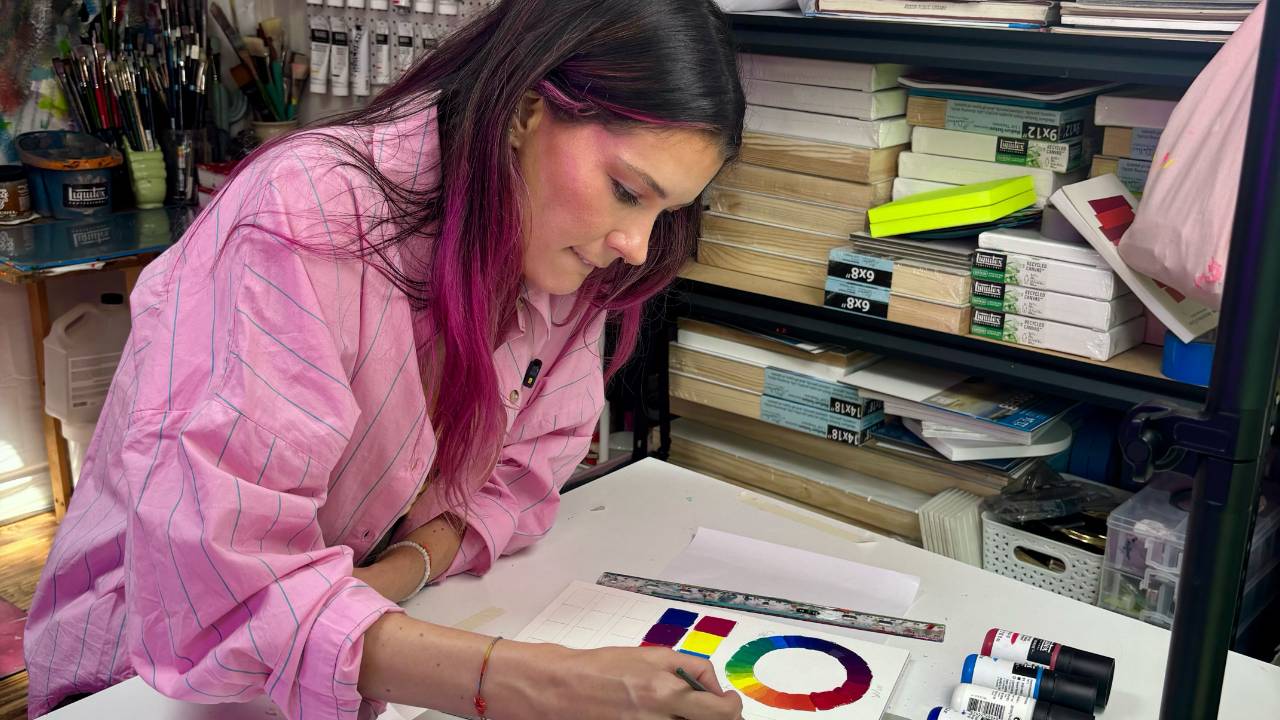
It's with this understanding that I've become absolutely fanatical about limited color palettes. In Not Sorry Art School, I talk about this a lot, not because I want to hit students over the head with it, but because there are so many different color palettes for so many different students. One of my favorite things to do in person is work with students, and as they begin to develop a slightly more sophisticated understanding of color, prescribe them a limited palette to work from.
It's because of this that I sat down and built a limited color palette quiz — and since I'm a millennial who grew up on Buzzfeed quizzes, I put that format to use. I've come up with seventeen different color palettes that do everything from give you a fun, fresh palette to work from, all the way to palettes that are more prescriptive and will help you strengthen specific things you might need to work on when it comes to color.
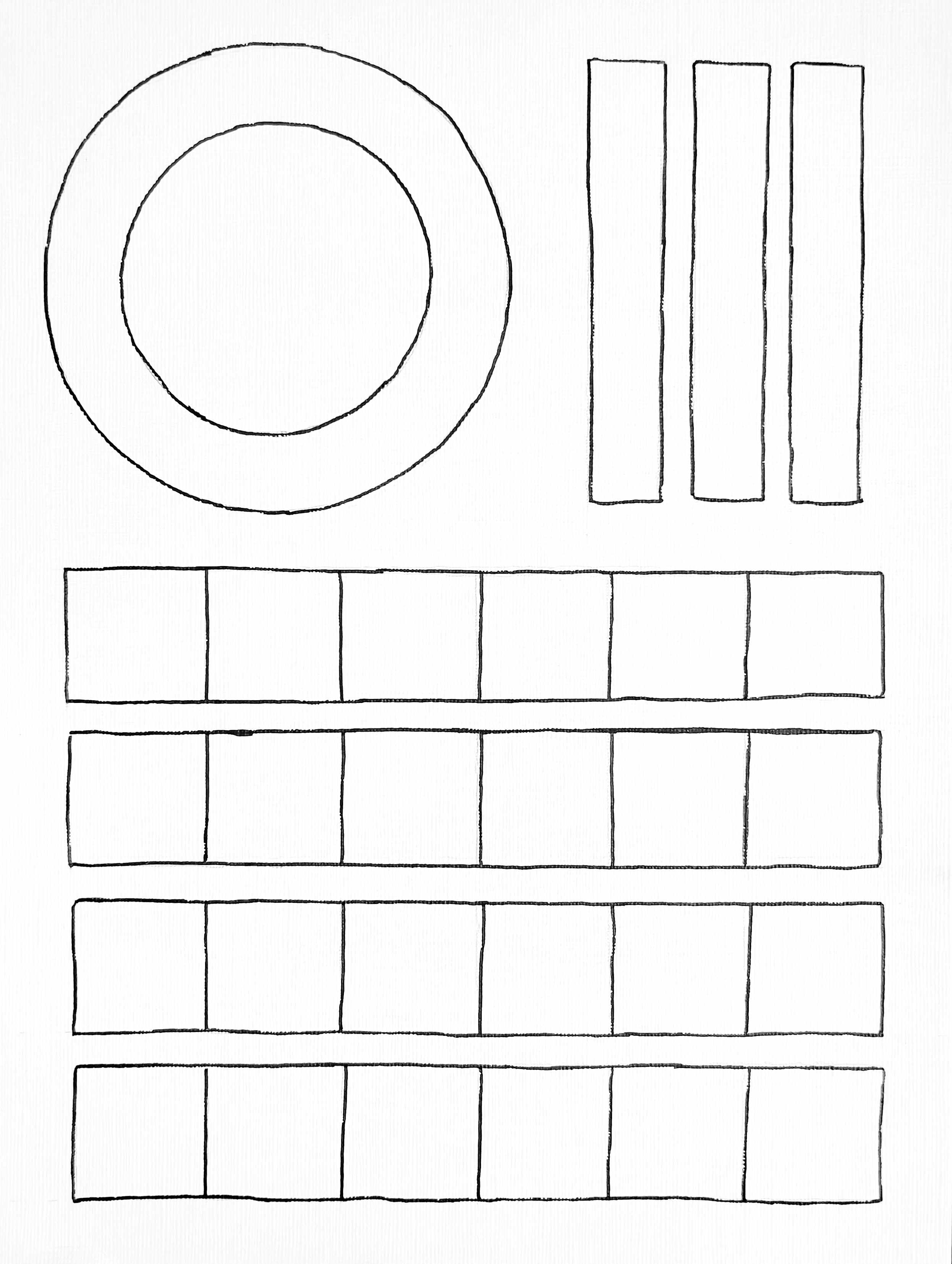
In this blog, I've included not only the color palette quiz (feel free to take it several times and play around with the different outcomes!) but also a free PDF color mixer chart I made for my NSAS students.
Take the Color Palette Quiz🎨
With the quiz and the chart, you're already halfway there. But if you want to see me walk through the chart and talk through all the fundamentals of color theory, check out my newest course, Applied Color Theory. Check out my special Applied Color Theory course bundle available for a limited time!
WANT MORE PAINTING EXPERTISE?
Sign up for the Not Sorry Art School newsletter for exclusive offers, course updates, free perks and more!