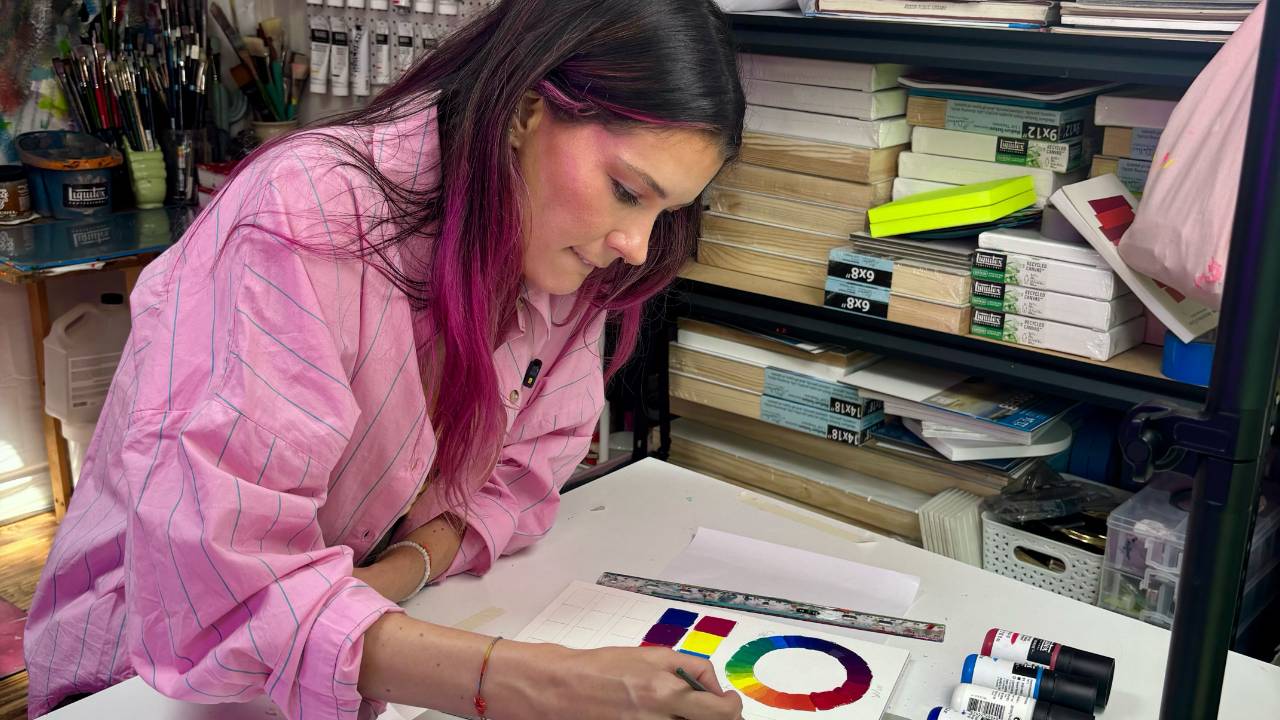
Space Influences Color: Project 10 "How To See Color & Paint It"
Jun 29, 2026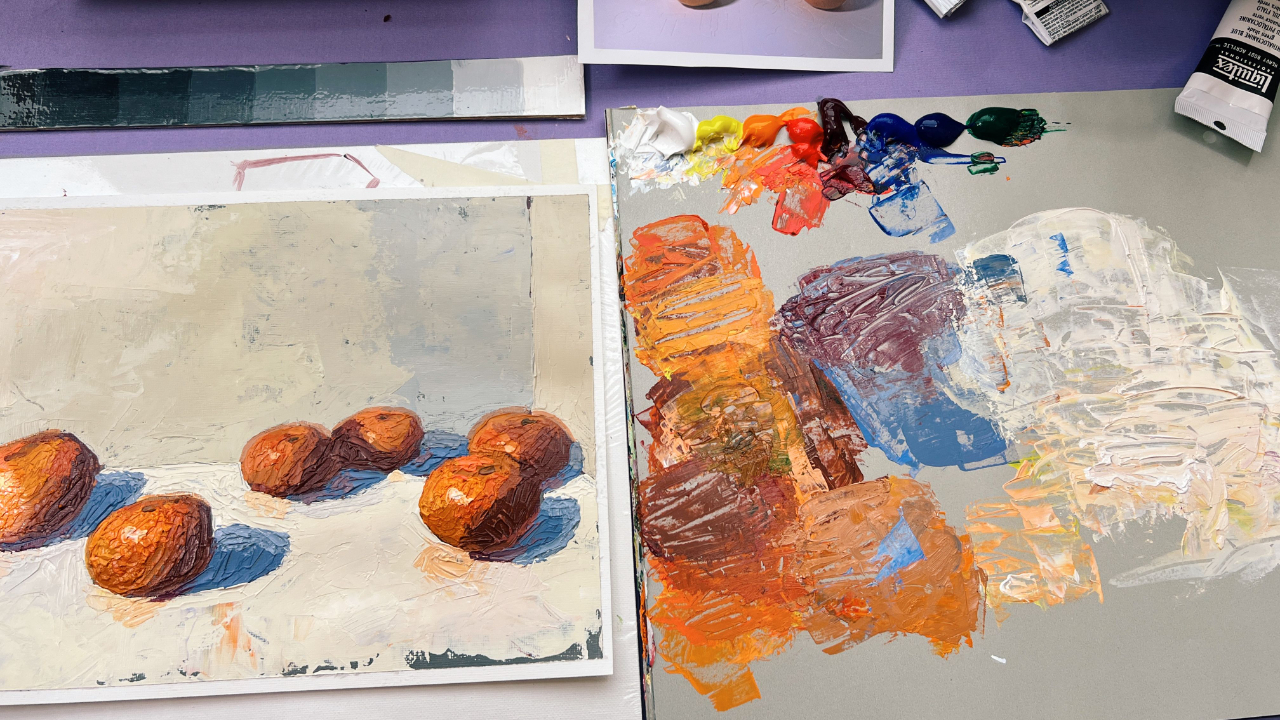
Don't let the seemingly bland name of this chapter fool you. Project 10 ("Space Influences Color") from Arthur Stern's How To See Color & Paint It is perhaps one of the most exciting projects of the book.
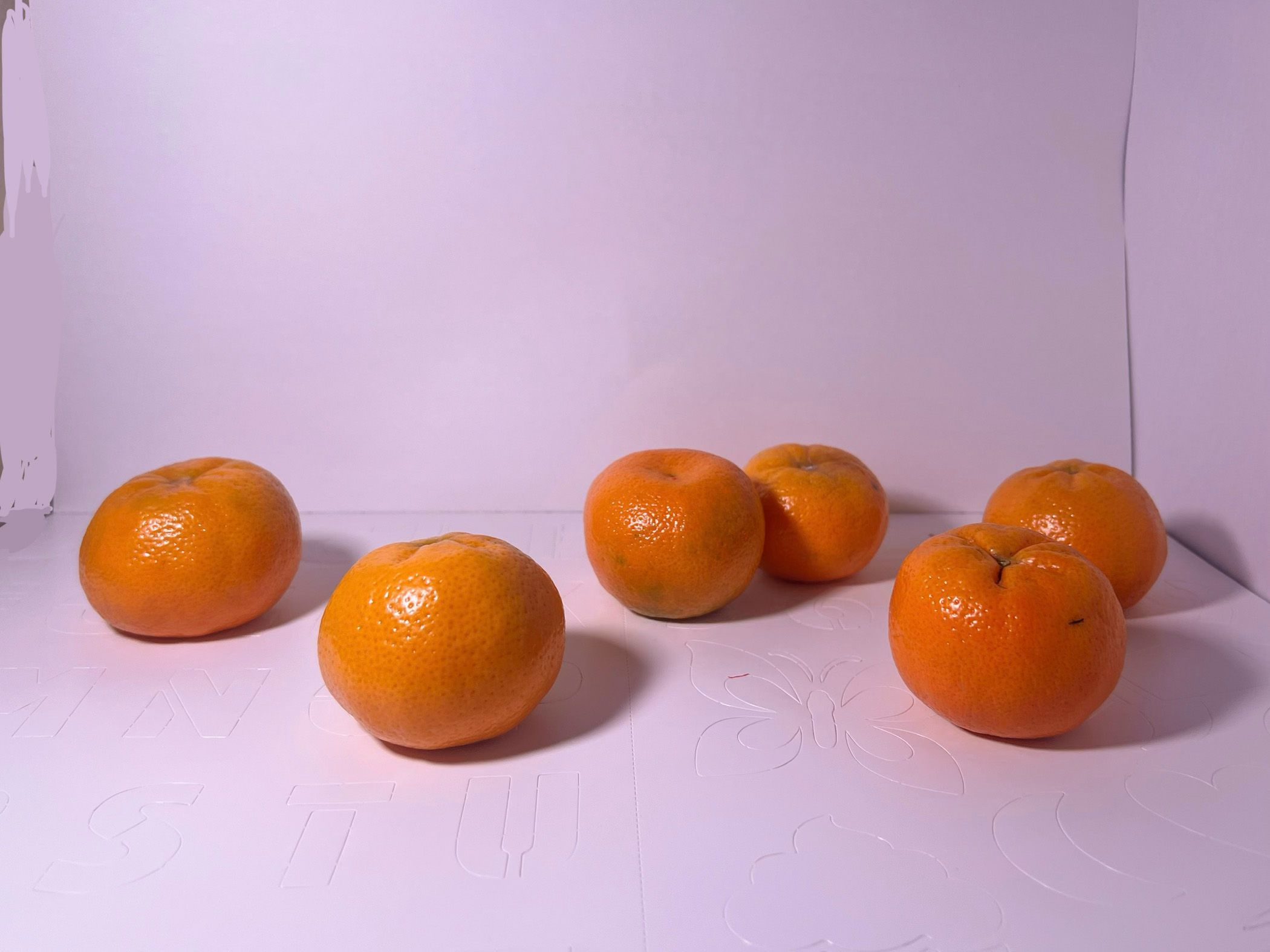
The central question is deceptively simple: when we paint something serialized — in this case, a series of six nearly identical mandarin oranges — how does observing the differences between them set us up for creating the illusion of depth and realism?
Project 10 Live Demo - Recording
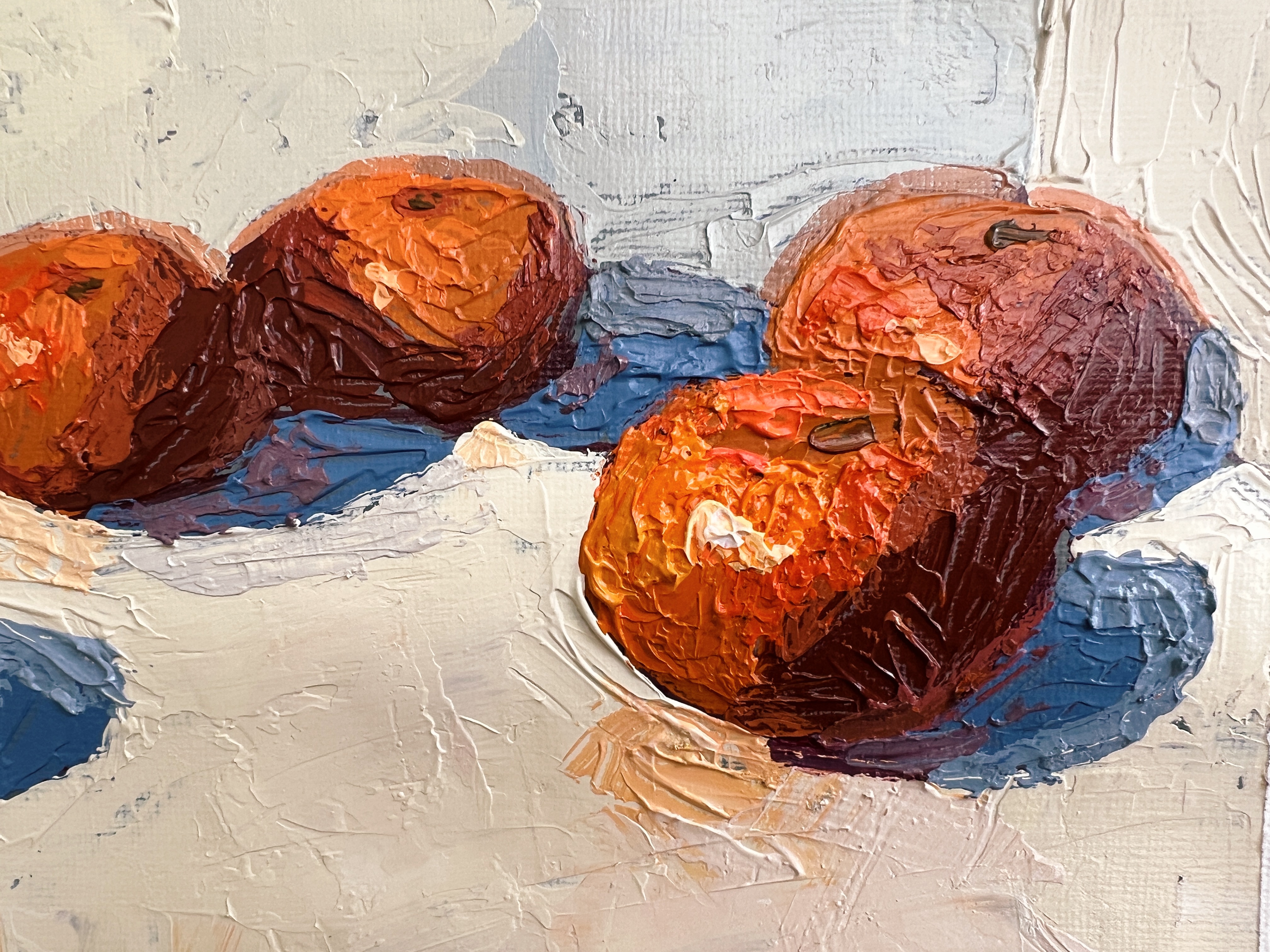
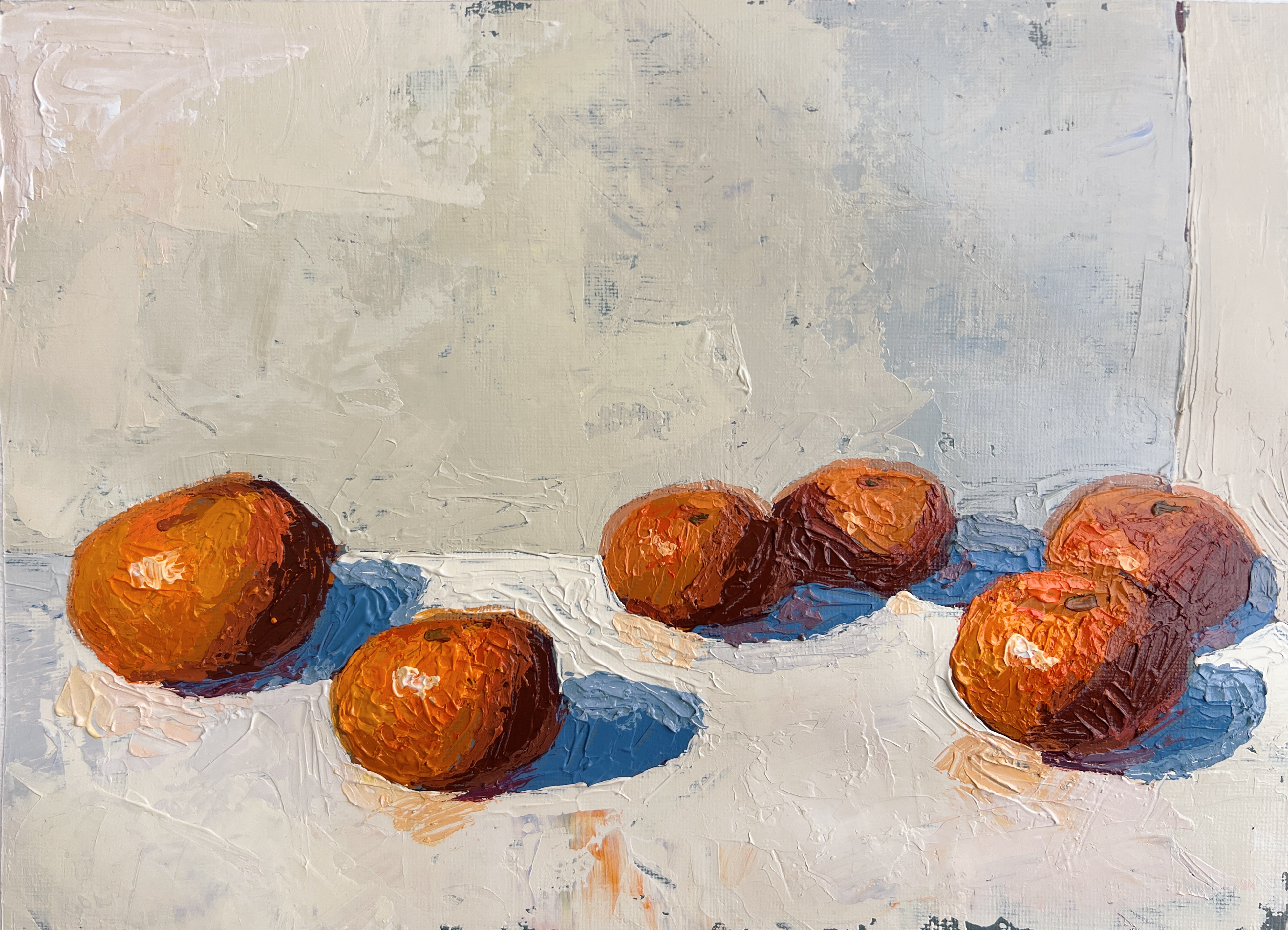 My completed demo of Project 10 from Stern's book
I've learned this firsthand by painting cherries. Cherries in the background are more compressed in value, more muted in chroma, and less detailed than their counterparts near the viewer. In real life, when the depth of your setup is only about a foot, you don't actually observe a tremendous difference. This is exactly where a painter's knowledge of viewer experience becomes essential.
By committing to memory the understanding that things in the background are compressed, muted, and less detailed — and conversely, things in the mid and foreground are the opposite — we can imbue otherwise identical subjects with a difference that creates a lifelike, painterly quality.
Stern's Four-Color Simplification
Perhaps one of the best moves Arthur Stern makes in this chapter is reducing each object to just four colors: one for the light side of the orange, one for the dark side, one for the floor, and one for the wall. In the first observation, we let all the objects be the same — no depth yet, just the average.
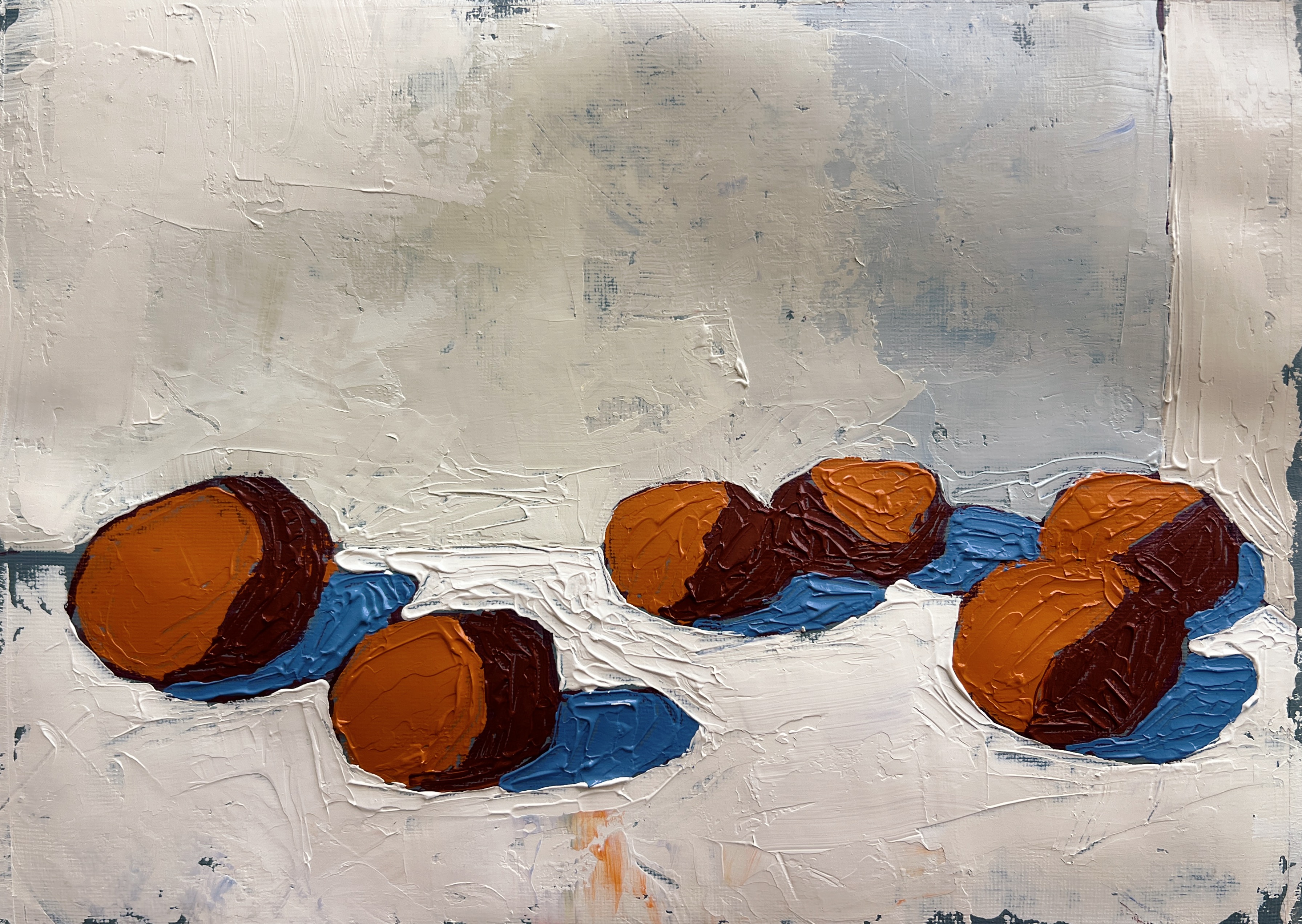 My first observation
Then, in the subsequent steps — where arguably the most depth and life happens — we force ourselves to see that the oranges closer to the viewer are much richer, while the oranges farther away are slightly less so. We also revisit how each orange affects the ground plane, building on concepts from previous chapters. By establishing averages first and then building upon them, we reveal how light bounces through the scene and how committing to this depth hierarchy transforms a flat arrangement into something that reads as real.
Edges and Atmosphere
At the end of the live demo, I spent a moment on edges — specifically the three oranges nearest the background. I mixed a halfway color between the background and the edge of those oranges: a tan, peachy-brown. Laying that in creates the illusion of a soft edge, and soft edges reinforce depth. The background oranges carry more atmospheric effect; the foreground oranges are sharper and more contrasting. That contrast between the two is what makes the whole composition read.
The Strength of This Book
The masterfulness here isn't in teaching dogma. It's the same direct painting approach most plein air painters teach. What makes Stern distinctive is how he teases these elements out one by one and has them build on each other, making visible what normally stays invisible in a painter's intuition.
If you want to go deeper on visual hierarchy (which is really what this chapter is about) I cover it extensively in my course Painting Fabric and Pattern. Don't let the title fool you: it's fundamentally about visual hierarchy, and it includes a PDF reference, a value stick walkthrough, and more tools to make this process second nature.
I've also provided a reference composition for you to work from, and I strongly recommend setting this up on your own. A simple still life of nearly identical objects is one of the cleanest ways to train your eye to see depth.
Next up in this series, we're painting metallic pans, which is something students have asked about for years from me. After Project 11, look for a midway check-in before we head into the back half of the book. See you in two weeks (July 12) for our next demo!
WANT MORE PAINTING EXPERTISE?
Sign up for the Not Sorry Art School newsletter for exclusive offers, course updates, free perks and more!